

This website uses cookies to improve your experience. We'll assume you're ok with this, but you can opt-out if you wish. Read More
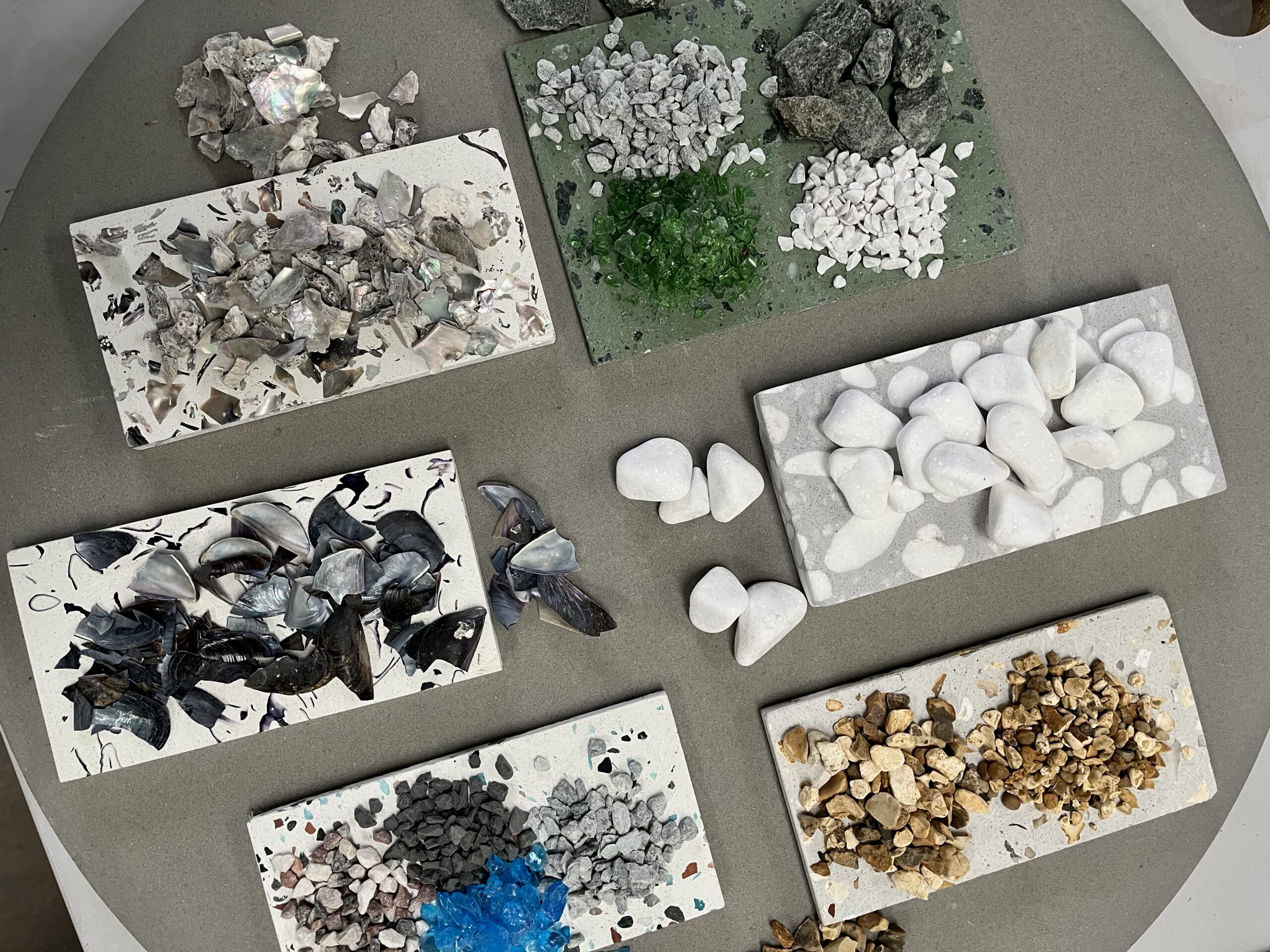
Quick answer: Circular concrete replaces throwaway specification by integrating recycled aggregates, designing for disassembly, and prioritising longevity. By keeping materials in use and designing out waste, architects can dramatically reduce the environmental impact of commercial projects while delivering bespoke, high-performance architectural finishes that align with modern sustainability demands.
Throwaway specification is rapidly becoming a relic of the past. As commercial clients demand higher environmental accountability, architects and specifiers face a profound shift in how they select and deploy heavy building materials. The traditional linear model of extraction, use, and disposal simply no longer serves the rigorous demands of modern architectural design.
Instead, the industry is pivoting toward circular concrete. This approach treats existing structures and materials not as waste to be landfilled, but as valuable banks of future resources. By rethinking how we mix, pour, and specify, design teams can dramatically lower the carbon footprint of their commercial developments while maintaining the exacting aesthetic standards required for premium spaces.
Embracing circularity does not mean compromising on craft or durability. From double-height reception spaces to subtle lift lobbies and external seating, bespoke concrete solutions now incorporate recycled constituents and intelligent lifecycle planning. This methodology ensures your project delivers enduring value, both environmentally and architecturally.
Table of contents
How does the circular economy apply to concrete design?
Implement circular economy principles in the built environment by designing out waste, circulating materials at their highest value, and reducing emissions. According to the Ellen MacArthur Foundation, a circular built environment prevents the demolition of usable structures and prioritises regenerative resources.
For your design team, applying this to concrete means specifying mixes that utilise secondary materials and designing components that can be adapted or dismantled. A bespoke concrete feature wall panel, for instance, can be engineered using modular fixing systems rather than permanent adhesives, allowing the panels to be removed, repurposed, or recycled when the building’s interior scheme eventually evolves.
What is the role of recycled aggregates in circular concrete?
Recycled aggregates form the backbone of sustainable concrete production. By crushing existing demolition waste—such as old concrete slabs, masonry, and blockwork—manufacturers create secondary aggregates that replace freshly quarried stone.
The World Business Council for Sustainable Development (WBCSD) outlines how recycling concrete into aggregates significantly reduces the demand for virgin aggregate extraction and diverts massive volumes of construction waste from landfill disposal. Choose recycled aggregates if minimizing the embodied carbon of your structural elements matters more than utilizing traditional virgin stone. By substituting these recovered materials, you actively lower the environmental footprint of your bespoke concrete floor panels, serveries, and stair treads.
How can architects design concrete structures for reuse?
Designing concrete structures for reuse requires a shift from permanent monolithic pours to modular, adaptable assemblies. Design for Disassembly (DfD) ensures that when a building reaches the end of its current functional life, its components can be safely unbolted, transported, and reinstalled elsewhere.
If you specify bespoke concrete wall panelling for a retail shopfront or an office reception, utilise mechanical hanging solution systems rather than chemical bonding. This foresight protects the design intent and ensures the materials retain their value across multiple lifecycles. By specifying standardized connection points and clear load paths, your project actively facilitates future reuse.
Why is designing for longevity and repairability critical?
A core tenet of circular concrete is keeping the material in active service for as long as safely possible. True sustainability is achieved when a building component resists weathering, impact, and wear without requiring frequent replacement.
The American Concrete Institute provides authoritative guidance in ACI 201.2R-08 on durable concrete design. This framework details how exposure conditions and specific material choices directly affect both the service life and the repairability of the concrete. Specifying the correct concrete mix for harsh external environments—like university campus pathways or exposed dining terraces—ensures your concrete stair treads and external signage resist freeze-thaw cycles and chemical attacks, thereby extending their functional lifespan.
How can the construction industry avoid unnecessary demolition?
Unnecessary demolition generates staggering volumes of waste and squanders the embodied carbon locked within existing structures. The U.S. Environmental Protection Agency (EPA) reports that hundreds of millions of tons of construction and demolition debris are generated annually, with concrete making up a significant portion of this waste stream.
To combat this, the EPA recommends practical strategies including preserving existing structures, deconstruction, salvage, and designing buildings for adaptation, disassembly, and reuse. Before calling for a total site clearance, evaluate whether the existing structural frame can be retained, repaired, or integrated into your new design.
What are the latest circular concrete innovations at Futurebuild 2026?
The drive toward circularity is continuously supported by industry innovations and collaborative showcases. At Futurebuild 2026, The Concrete Centre places a direct focus on concrete manufacture, design, reuse, recycling, carbon reduction, and circular economy innovation.
These events highlight how the industry is advancing next-generation concrete technologies, from carbon-absorbing curing processes to advanced recycled mix designs. Attending these industry forums empowers specifiers to stay ahead of regulatory changes and discover new ways to integrate sustainable concrete into high-profile commercial spaces.
How do sustainable material choices impact client psychology?
Sustainable choices fundamentally alter how end-users and stakeholders perceive a commercial space. When a client understands that the striking bespoke concrete reception desk in their foyer incorporates recycled glass or locally sourced secondary aggregates, the material narrative shifts from mere aesthetics to corporate responsibility.
Visible commitments to the circular economy enhance brand equity. Clients and tenants increasingly align their leasing and purchasing decisions with their environmental values. Specifying circular concrete provides a tangible, tactile demonstration of these values, satisfying both the architect’s demand for premium finishes and the client’s sustainability targets.
What are the next steps for specifying circular concrete?
Bringing circular concrete into your next commercial specification requires early collaboration and clear technical benchmarks. Begin by auditing your material schedules to identify opportunities for recycled aggregates and modular fixings. Engage with specialist concrete manufacturers during the initial concept phase to ensure your design intent can be met using sustainable mixes and adaptable installation methods.
Request comprehensive samples that accurately reflect the inclusion of recycled constituents, and specify exact tolerances for repairability and future disassembly. By integrating these practices now, your design team will deliver architectural excellence that respects the limits of our natural resources.
Frequently Asked Questions (FAQ)
What is the cost difference between circular concrete and traditional concrete?
Circular concrete utilizing recycled aggregates can sometimes carry a slight initial premium due to specialised processing and testing requirements. However, this is frequently offset by reduced landfill disposal fees and lower long-term maintenance costs over the material’s extended lifecycle.
How do recycled aggregates affect the strength of bespoke concrete?
When properly engineered and tested, concrete utilizing recycled aggregates meets the rigorous structural and aesthetic requirements of commercial applications. Specialist manufacturers adjust the mix design to ensure the final product delivers the necessary compressive strength and durability for elements like floor panels and stair treads.
Can existing concrete structures be repurposed safely?
Yes. Through comprehensive structural assessment and targeted repair strategies, existing concrete frames and components can be safely retained and integrated into new architectural designs, significantly reducing the project’s overall embodied carbon.
Who should I contact to ensure my concrete specification aligns with circular principles?
Engage directly with your bespoke concrete manufacturer during the early design stages. They provide essential technical guidance on mix specifications, mechanical fixing systems for disassembly, and the realistic production timelines required to integrate circular concrete into your project.