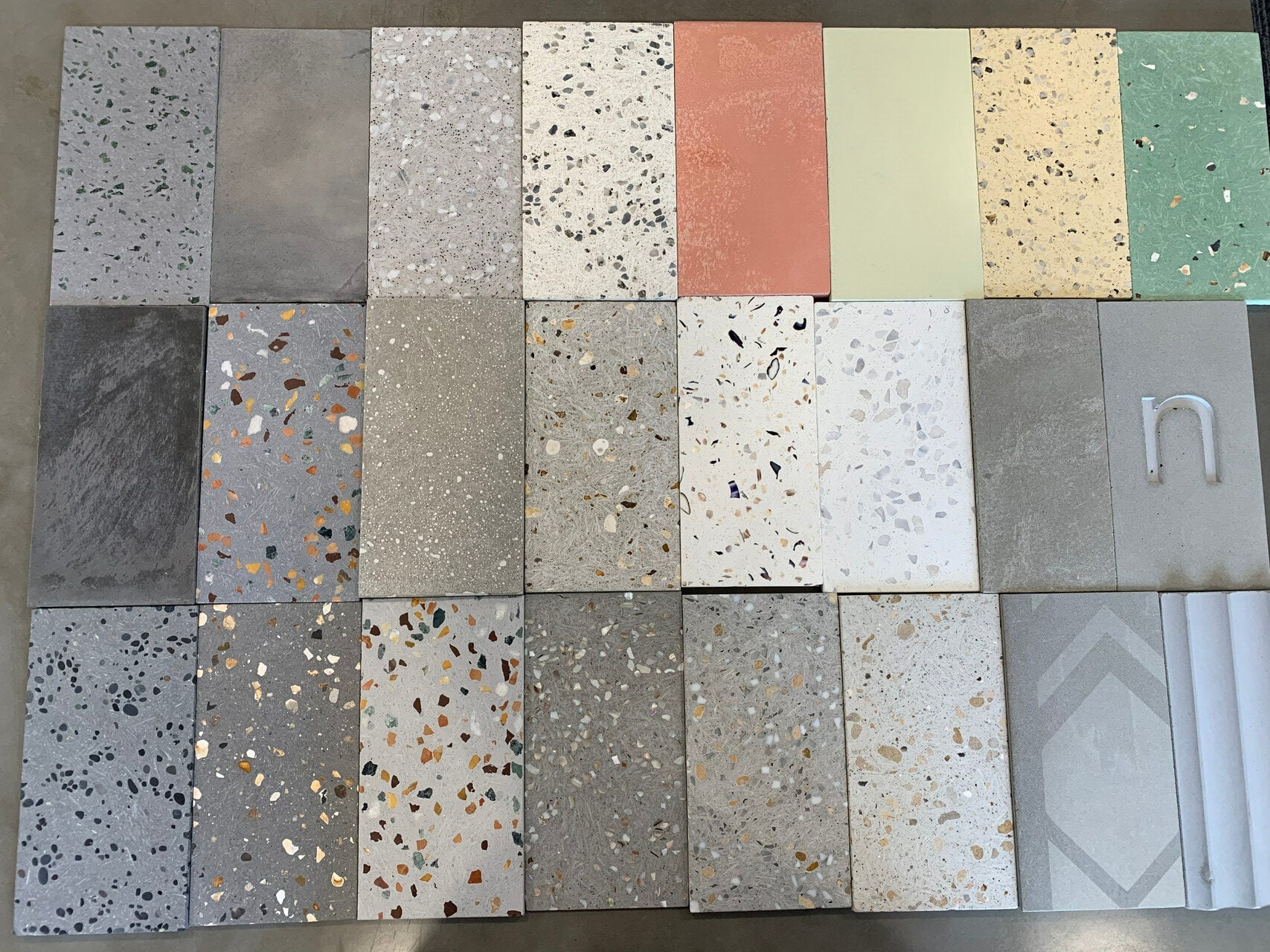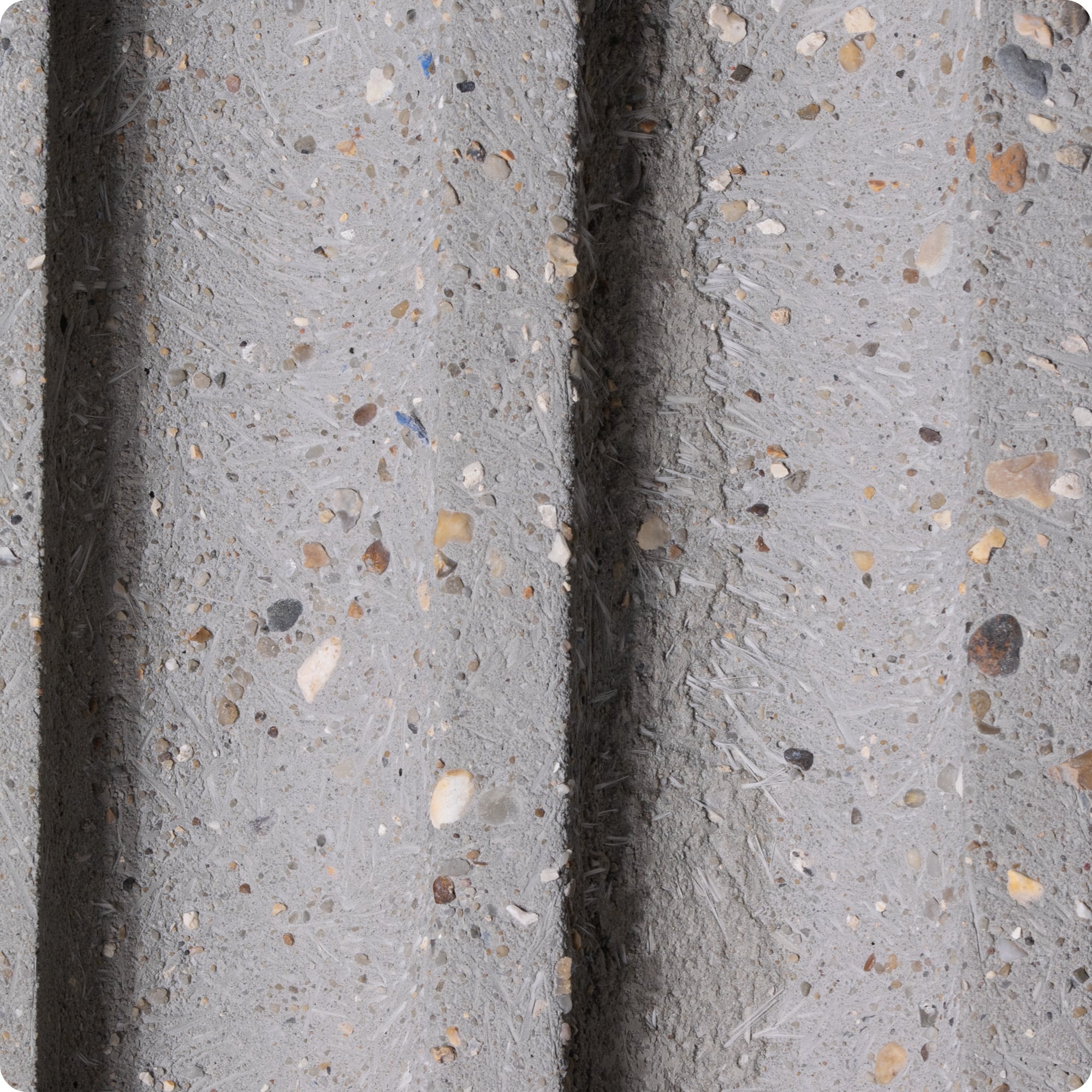

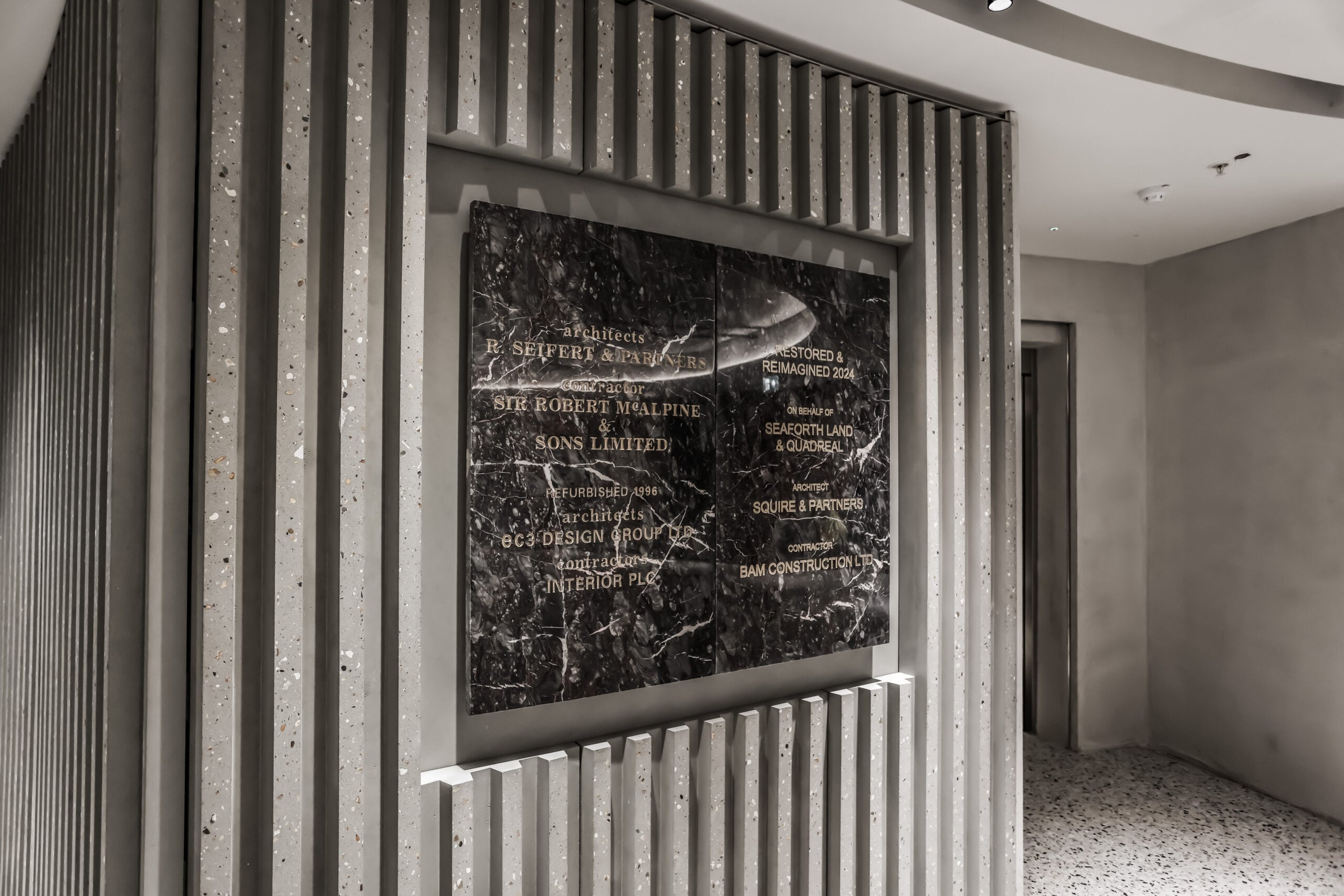
At MASS Concrete, we are constantly striving for innovation in concrete so follow our latest news here, whether that’s product development, completing projects worldwide or winning international awards.

What Happens If Bespoke Concrete Gets Damaged?

TL;DR: Bespoke concrete repair depends on the nature and severity of the damage. Cosmetic concrete surface repair – chipped concrete edges, hairline cracks, concrete stain removal – is usually achievable on site. Deep structural cracking, failed embedded fixings or compromised reinforcement often call for replacement concrete panels. Diagnosing the cause first, colour matching concrete carefully, and involving a specialist early protect both the finish and the design intent.
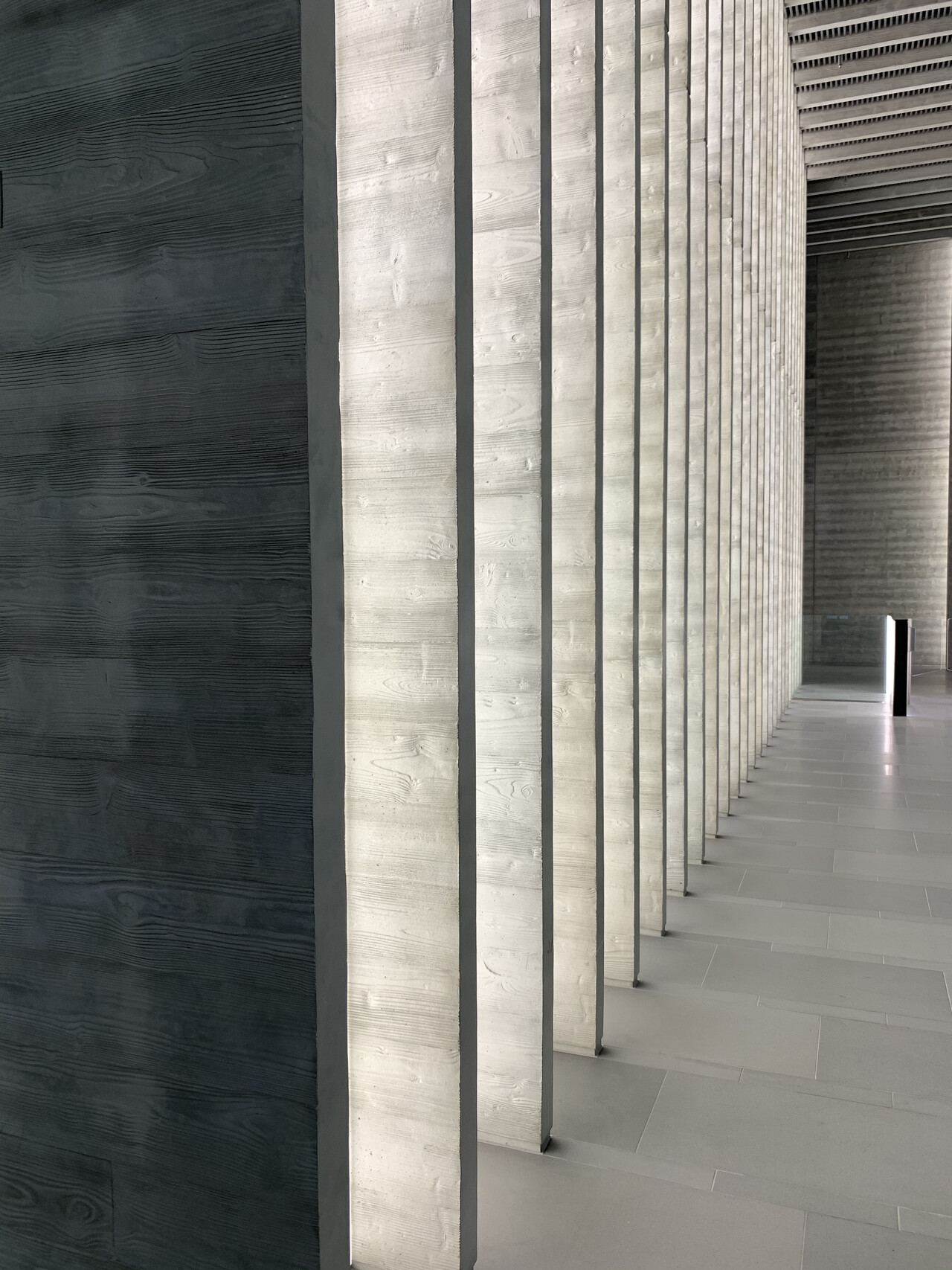
Is Your Site Ready for Bespoke Concrete Installation?

TL;DR: A concrete installation site readiness checklist should confirm access and delivery logistics, verified measurements and substrate condition, coordinated trade sequencing, safe handling and storage arrangements, and a final sign-off before delivery. Addressing these five areas early protects your design intent, prevents costly remedial work, and keeps bespoke concrete projects on programme.

Concrete Compliance: What Should Designers Check Before Specifying?

Quick answer: Compliance requirements for architectural concrete depend entirely on the application. Wall cladding, flooring, stair treads, reception counters and external features each carry different fire, slip, sealer and fixing considerations. Before specifying, ask suppliers for independently tested performance data on the finished, installed assembly – not just the raw material.

From Feasibility to Specification: What Happens at RIBA Stage 4 Concrete Specification?

TL;DR: RIBA Stage 3 (Spatial Coordination) establishes feasibility and outline intent; RIBA Stage 4 (Technical Design) is where bespoke concrete moves from outline specification to manufacturing-ready detail – dimensions, fixings, finishes and tolerances all locked down. Getting this transition right protects your design intent, avoids costly late changes, and keeps your Stage 4 concrete specification aligned with BS 8500 and Eurocode 2 from day one.

Concrete That Speaks Your Brand

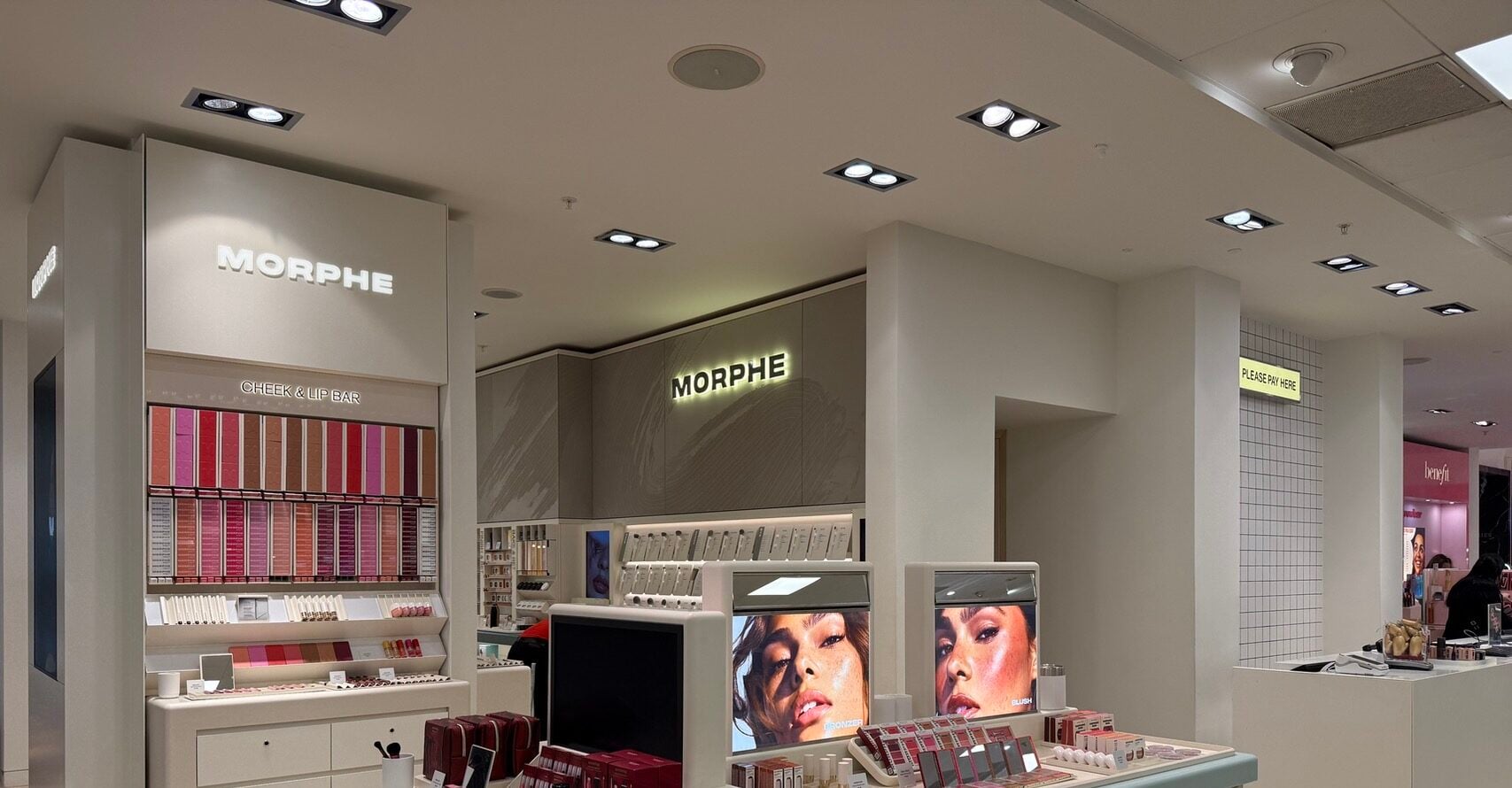
At MASS Concrete, we’ve worked with thousands of brands across retail, hospitality, workplace and leisure, and we understand the complexities that branded projects bring. Exacting colour matches.

2023 Trend: Dopamine Dressing & Pink Concrete Interiors

How MASS Turns Moodboards into Buildable Bespoke Concrete Details

A moodboard is a promise. It tells everyone in the room what a space should feel like β€” the warmth of a hand-finished surface, the cool authority of a polished reception desk, the texture of a wall that reads as sculpture rather than cladding.

RIBA Stage 2–3 Feasibility Pack for Bespoke Concrete

Bespoke concrete rewards early commitment. A board-marked reception wall, a cantilevered stair tread, a monolithic bar top β€” these features carry enormous design weight, and that ambition is far easier to protect when feasibility is tested at the concept stage rather than discovered on site.

Bespoke Concrete Cost for Commercial Interiors: A Guide

Bespoke concrete cost for commercial interiors depends on size, mould complexity, finish type, and installation conditions – not just square metres.

Bespoke Concrete Installation Guide for Fit-Out Contractors

[row] [col span="2" span__sm="12"] [/col] [col span="8" span__sm="12"] Bespoke concrete installation succeeds when planning starts early. Verify access and lifting...

Bespoke Concrete vs Porcelain Slabs for Feature Walls

Porcelain slabs deliver a clean, low-maintenance, near-seamless surface, ideal when a flawless flat finish and minimal upkeep are the priority. Bespoke concrete offers tactile depth, three-dimensional form, and finishes matched to your brand, ideal when the feature wall must carry the design narrative. The right choice depends on whether you want surface or substance.

Bespoke Concrete vs Stone for Reception Desks and Feature Surfaces

Both bespoke concrete and natural stone deliver prestige in reception areas and commercial feature surfaces – but they serve different briefs. Stone offers geological beauty and proven durability; bespoke concrete offers complete design freedom, seamless custom forms, and the ability to match brand identity precisely. The right choice depends on your design intent, structural constraints, and long-term maintenance expectations.

Commercial Concrete Lead Times: Sampling, Drawings, Curing and Delivery

Commercial concrete lead times for bespoke projects typically span several weeks and involve four sequential stages: sample approval, shop drawing sign-off, curing, and phased delivery. Each stage depends on the previous one. Miss a decision point early, and the programme impact compounds – often arriving as a surprise at the worst possible moment on site.