
At MASS Concrete, we are constantly striving for innovation in concrete so follow our latest news here, whether that’s product development, completing projects worldwide or winning international awards.

Bespoke Concrete for Hotel Lobbies: How to Protect Design Intent and Programme

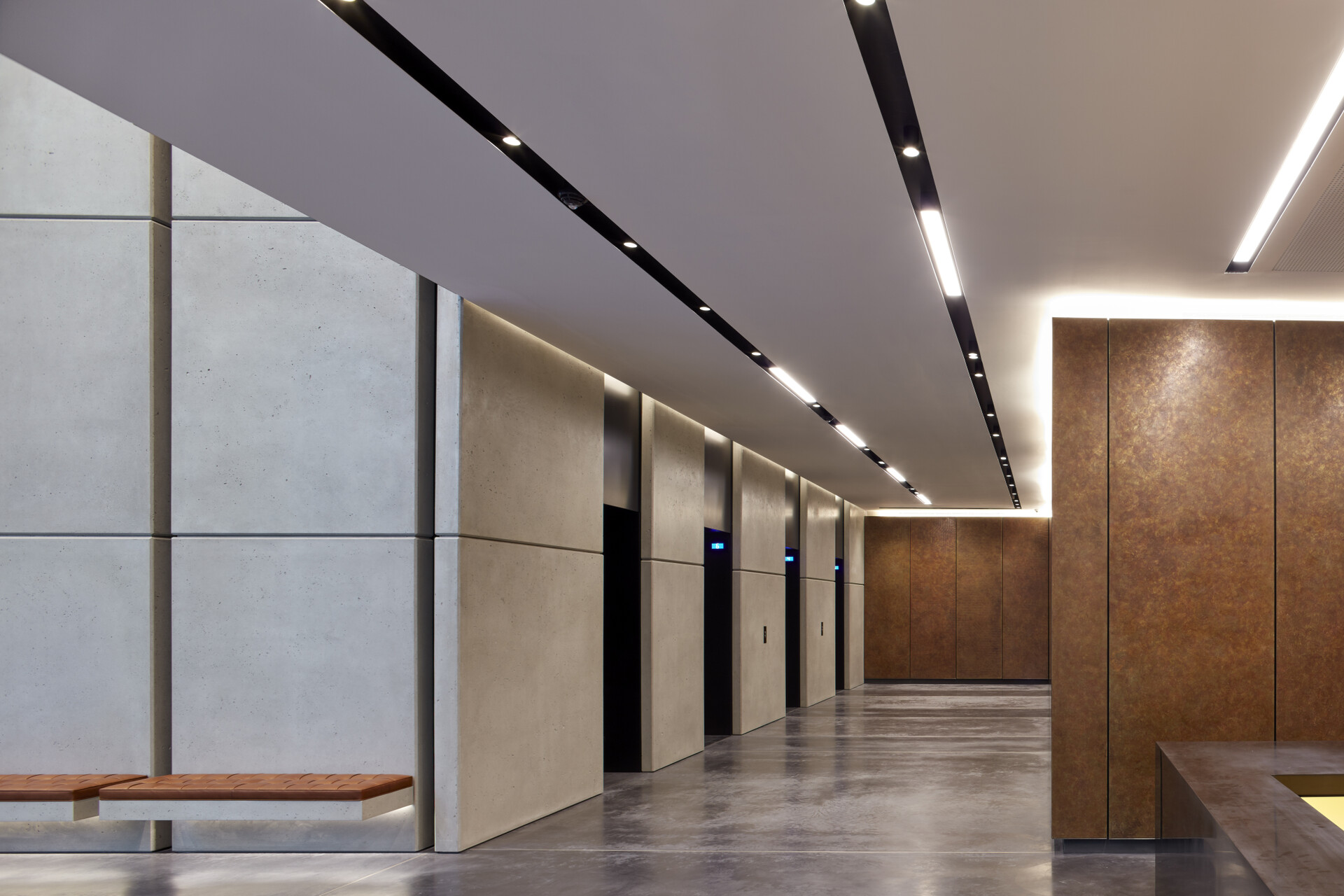
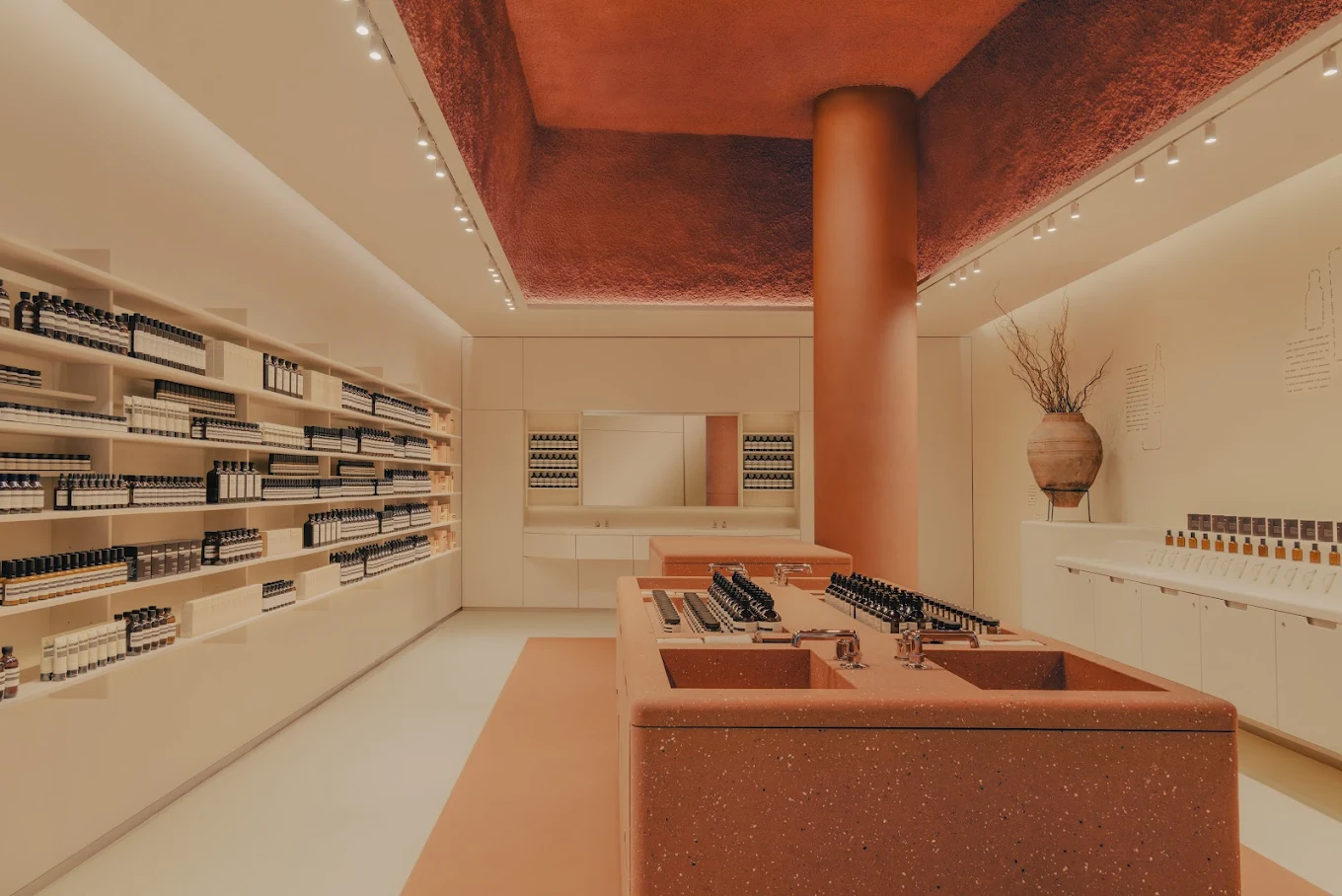
Bespoke concrete delivers a hotel lobby with a premium, hard-wearing character through three core elements — reception counters, wall panels, and flooring. To protect both design intent and programme, specify an agreed appearance benchmark, approve a sample on the real substrate, plan installation sequencing early, and bring a fabricator in through a design-assist process.
Concrete Finish Consistency Across Batches: What Commercial Designers Should Ask

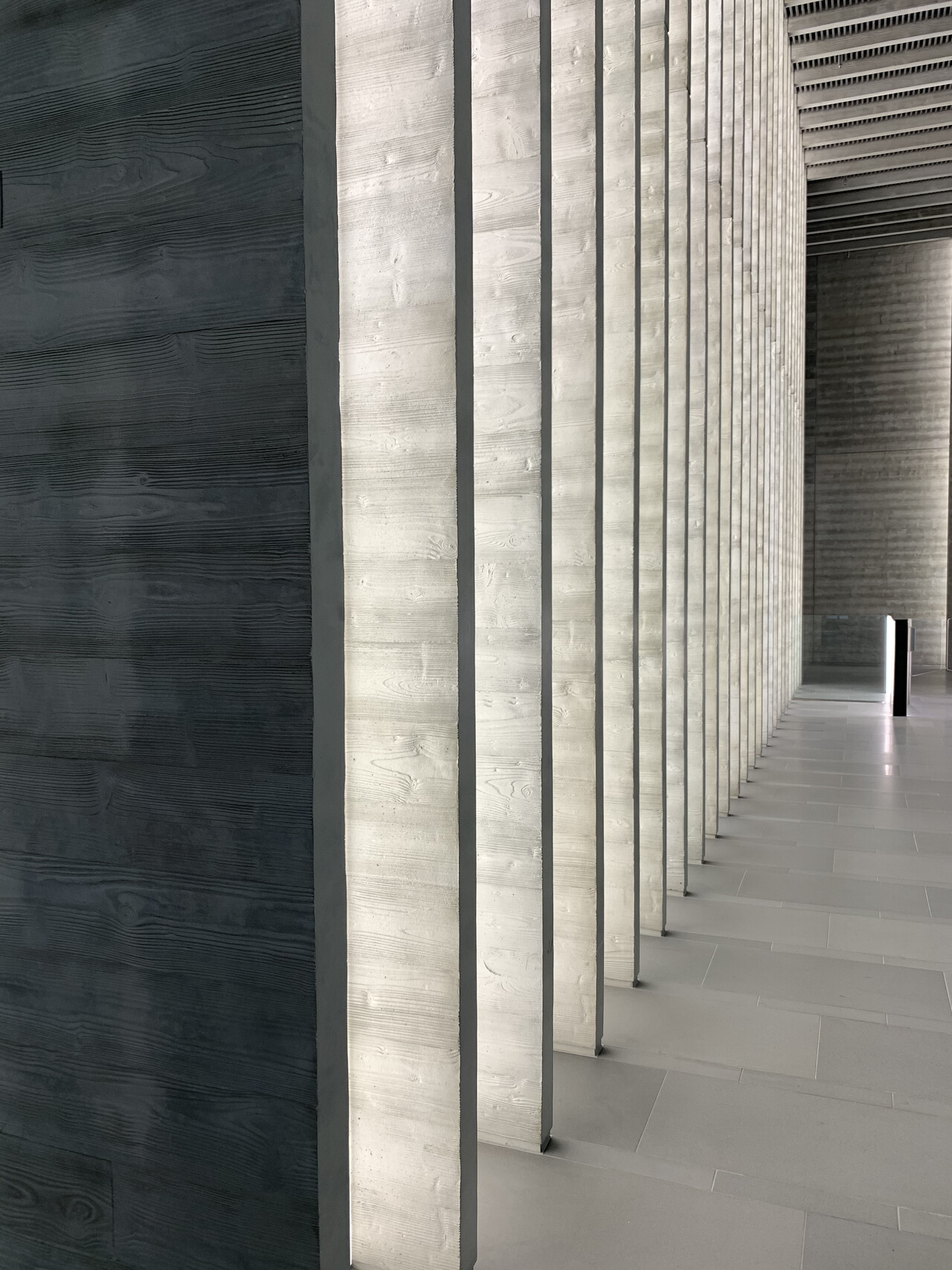
Specifying a bespoke concrete finish is one of the most rewarding decisions a designer can make. It is also one of the most misunderstood. A board-marked feature wall, a run of polished floor panels, a reception desk cast to match a client’s brand palette.

How to Specify Bespoke Concrete Without Late-Stage Value Engineering

The fix is not to fight value engineering. It is to specify in a way that makes value engineering work for the design rather than against it. When concrete is described purely as an appearance, it looks like a discretionary cost.

Bespoke Concrete for Commercial Interiors: What Designers Need to Know Before Specifying

Bespoke concrete for commercial interiors is custom-cast concrete — wall panels, reception desks, surfaces, signage, and stair treads — made to a specific design through tailored mix, colour, texture, and finish.

Commercial Concrete Wall Panels: Design, Fixing and Finish Guide

Concrete wall panels earn their place in spaces where first impressions carry commercial value. The double-height reception space, the lift lobby, the feature wall behind a hotel check-in desk — these are the environments where a concrete finish stops a visitor mid-stride.

Concrete Reception Desks for Commercial Interiors: Design and Specification Guide

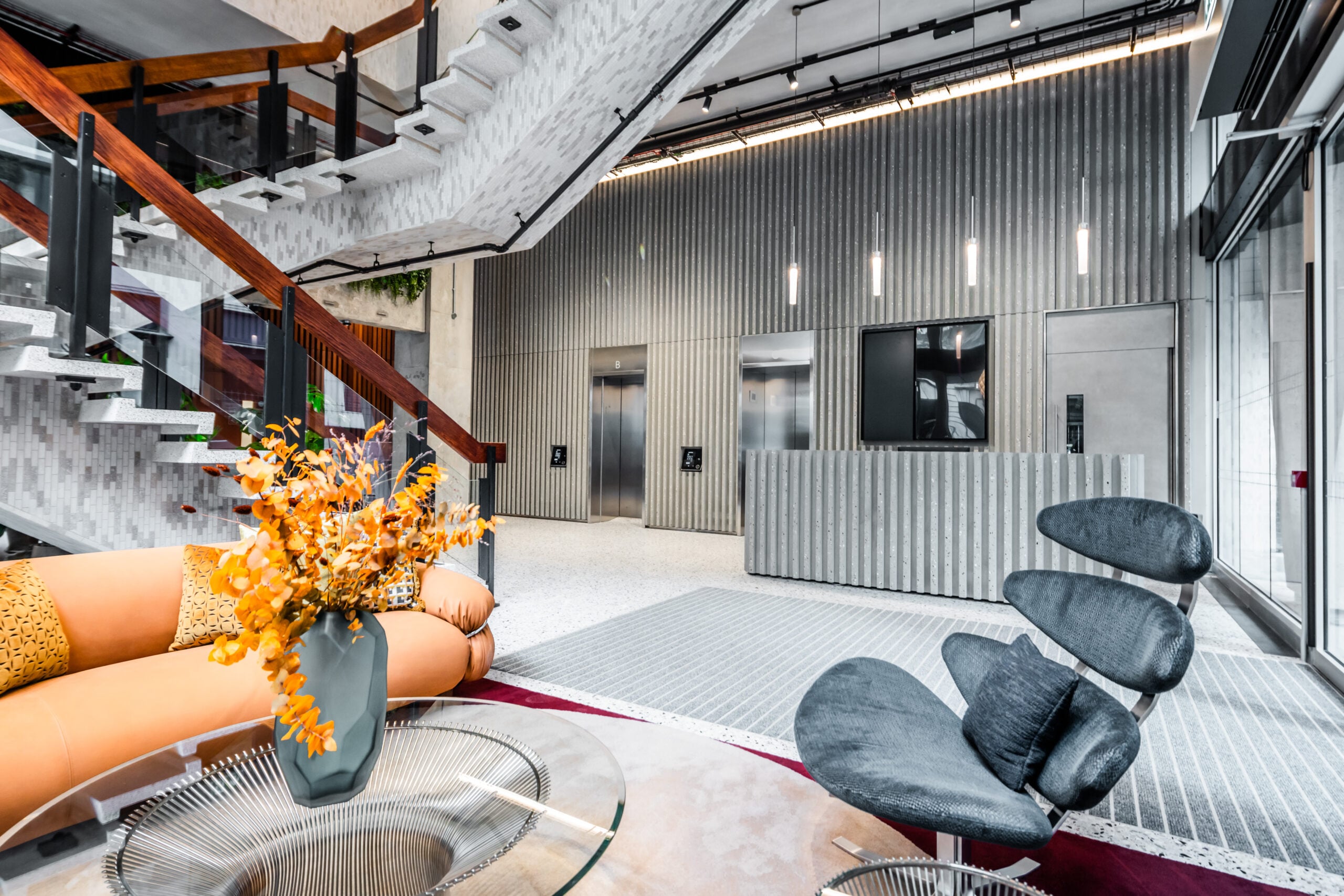
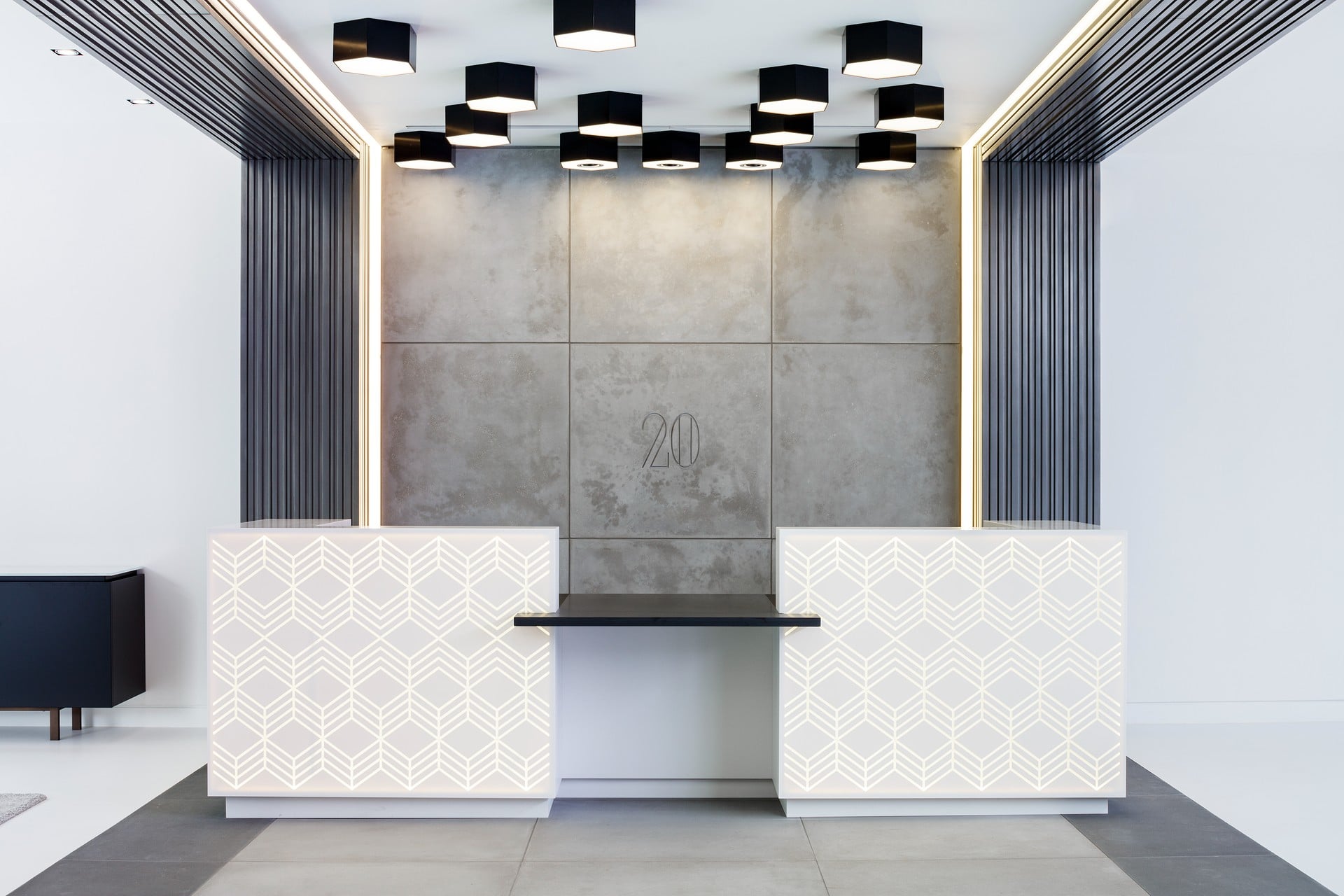
A concrete reception desk is a bespoke, hand-cast feature counter for commercial lobbies, made from glass fibre-reinforced concrete (GFRC) or surface-grade concrete. It delivers premium aesthetics with high durability, supports custom edge profiles, colours and finishes, and resists stains once sealed. Successful specification depends on early design input, sample approval, and careful planning for weight, access and installation.

Best Concrete Finishes for High-Traffic Commercial Spaces

The best concrete finishes for high-traffic commercial spaces are polished concrete, honed concrete, grind-and-seal systems, epoxy coatings, and stained concrete. Your choice depends on five factors: footfall intensity, cleaning regime, wet-area exposure, food contact, and how much patina or wear you can tolerate over time.

Concrete That Does More Than Sit There: The Future of Functional Architectural Surfaces

From translucent panels to self-healing mixes, discover six concrete technologies redefining what an architectural surface can do — with guidance for specifiers.

From Chunky to Refined: How UHPC Could Change Bespoke Concrete Design

Concrete carries a reputation it doesn’t always deserve. Say the word and most people picture something heavy, thick, and brutalist enough to make a planning officer nostalgic.

Graphene Concrete: Breakthrough Material or Specification Hype?

If graphene-enhanced concrete proves unsuitable for your project timeline, specifiers can utilize supplementary cementitious materials, optimize structural design, or specify alternative low-carbon binders to achieve sustainability targets without relying on advanced nanomaterials.

Biochar Concrete: Can Concrete Become a Carbon Store?

Biochar concrete transforms traditional building materials from a carbon source into a carbon sink. By integrating carbon-rich biochar – made from heated organic waste – into concrete mixes, the industry can drastically reduce embodied carbon.

Low-Carbon Concrete: What Should Architects Actually Ask For?

To specify low-carbon concrete effectively, architects must ask suppliers for Environmental Product Declarations (EPDs) and target specific Global Warming Potential (GWP) thresholds.