


This website uses cookies to improve your experience. We'll assume you're ok with this, but you can opt-out if you wish. Read More
What is Polished Concrete Used For?
Polished concrete is a versatile flooring solution that finds its way into various settings. It is particularly popular in high-traffic areas like retail stores and hospitals where durability is paramount. Its ability to withstand heavy use without showing wear makes it an ideal choice for these environments.
When considering polished concrete for your space, keep in mind the specific durability and maintenance needs. It’s essential to evaluate the area’s traffic patterns to ensure the chosen flooring can handle the demands. However, it’s important to note that polished concrete should be avoided in areas with excessive moisture unless proper sealing techniques are employed.
In commercial settings, polished concrete has been a favorite for its ability to maintain a clean and professional appearance while being incredibly durable. For example, a local boutique recently renovated its flooring to polished concrete, which has not only enhanced aesthetics but has also proven to be easier to maintain compared to traditional flooring options.
Achieving the Perfect Orange Hue
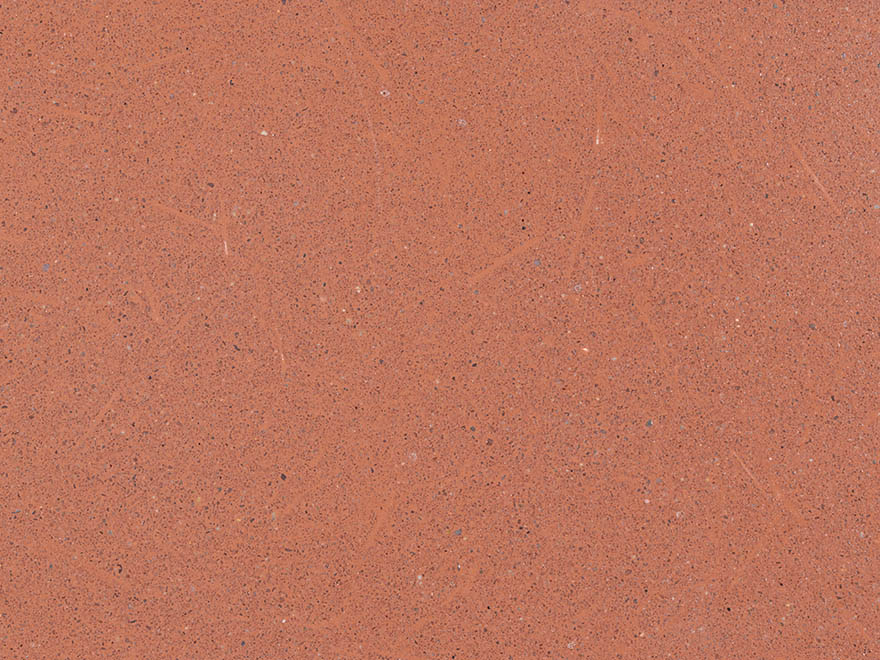
To achieve the vibrant orange tones that can transform an interior, various techniques can be employed. Acid stains or water-based dyes are popular choices for creating translucent tones, allowing the underlying concrete to show through subtly. If you’re looking for a rich and bold finish, burnt orange colour hardeners can provide the desired effect.
Before committing to a full application, it’s wise to test colours on a small area. This will help you visualize how the chosen hue interacts with the lighting in your space and how it complements other design elements. One successful project involved a trendy cafŽ that used multiple shades of orange to create a warm and inviting atmosphere, showcasing the versatility of this colour.
Orange Concrete Samples to Consider
The Process of Polishing Concrete
The process of polishing concrete involves several key steps to achieve the desired gloss and finish. First, the surface must be ground with diamond abrasives to remove imperfections and prepare it for polishing. It’s crucial to ensure that each grit level is completed before moving on to the next; skipping grits can lead to uneven surfaces.
Typically, the polishing process starts with a coarse grit and gradually moves to finer grits, culminating in a high-gloss finish. For instance, a local art gallery underwent a meticulous polishing process that highlighted the unique texture of the concrete while providing a stunning glossy surface that reflects light beautifully.
Visual aids, such as diagrams of the polishing process stages, can be beneficial for understanding the workflow and ensuring every step is followed correctly.
Sealing for Protection and Sheen
Sealing polished concrete is an essential step in maintaining its appearance and longevity. A penetrating sealer can add durability while also enhancing the sheen of the surface. When selecting a sealer, you can choose between a matte or high-gloss finish based on your design needs and aesthetic goals.
Failing to seal the concrete properly can lead to colour fading and stains over time, which is a common pitfall. For instance, a restaurant that neglected to seal its polished concrete floors experienced significant fading within just a year, demonstrating the importance of this step.
Case studies showing the before and after effects of sealing can illustrate the dramatic difference it makes in preserving colour and enhancing the overall look of polished concrete.
Customisation Options
One of the most exciting aspects of orange polished concrete is its versatility. You can select from various textures, such as smooth or stamped finishes, based on your specific aesthetic goals. For a unique look, incorporating decorative flakes can add depth and character to the flooring.
When customizing your flooring, consider integrating patterns or logos, especially for commercial spaces where branding is key. For example, a local gym used custom orange polished concrete with their logo embedded, creating a cohesive and motivating environment for their members.
Photos of customized commercial and residential spaces can serve as inspiration, showcasing the endless possibilities with orange polished concrete.
Key Features & Benefits
Orange polished concrete offers several key advantages that make it an attractive flooring option. With proper care, you can expect a lifespan of over 20 years, making it a cost-effective choice in the long run. Its low maintenance requirements-primarily regular sweeping and occasional mopping-further add to its appeal.
When evaluating the cost-effectiveness of orange polished concrete compared to other flooring options, consider the initial investment against its durability and longevity. Testimonials from satisfied clients highlight how their polished concrete floors have not only met but exceeded their expectations in terms of performance and aesthetic appeal.
Considerations for Installation
Preparing for the installation of orange polished concrete involves several important steps. Begin with a thorough cleaning of the existing surface and any necessary crack repairs. Performing moisture testing is also crucial to ensure proper adhesion of the concrete.
A common pitfall is attempting a DIY installation, which can lead to errors and unsatisfactory results. Hiring professionals can save time and ensure that the installation is executed correctly, maximizing the benefits of polished concrete.
Experts recommend consulting with flooring professionals to gain insights and tips that can help streamline the installation process and avoid common mistakes.
Regular maintenance is vital to preserving the vibrant hue and finish of your orange polished concrete. Following manufacturer guidelines will help ensure longevity and beauty in your space.
Considering orange polished concrete for your next interior design project could transform your space into a modern, vibrant haven. Explore the possibilities and let your creativity shine with this stunning flooring option.